Other Benign Skin Developments Loma Linda University Children's Health And Wellness
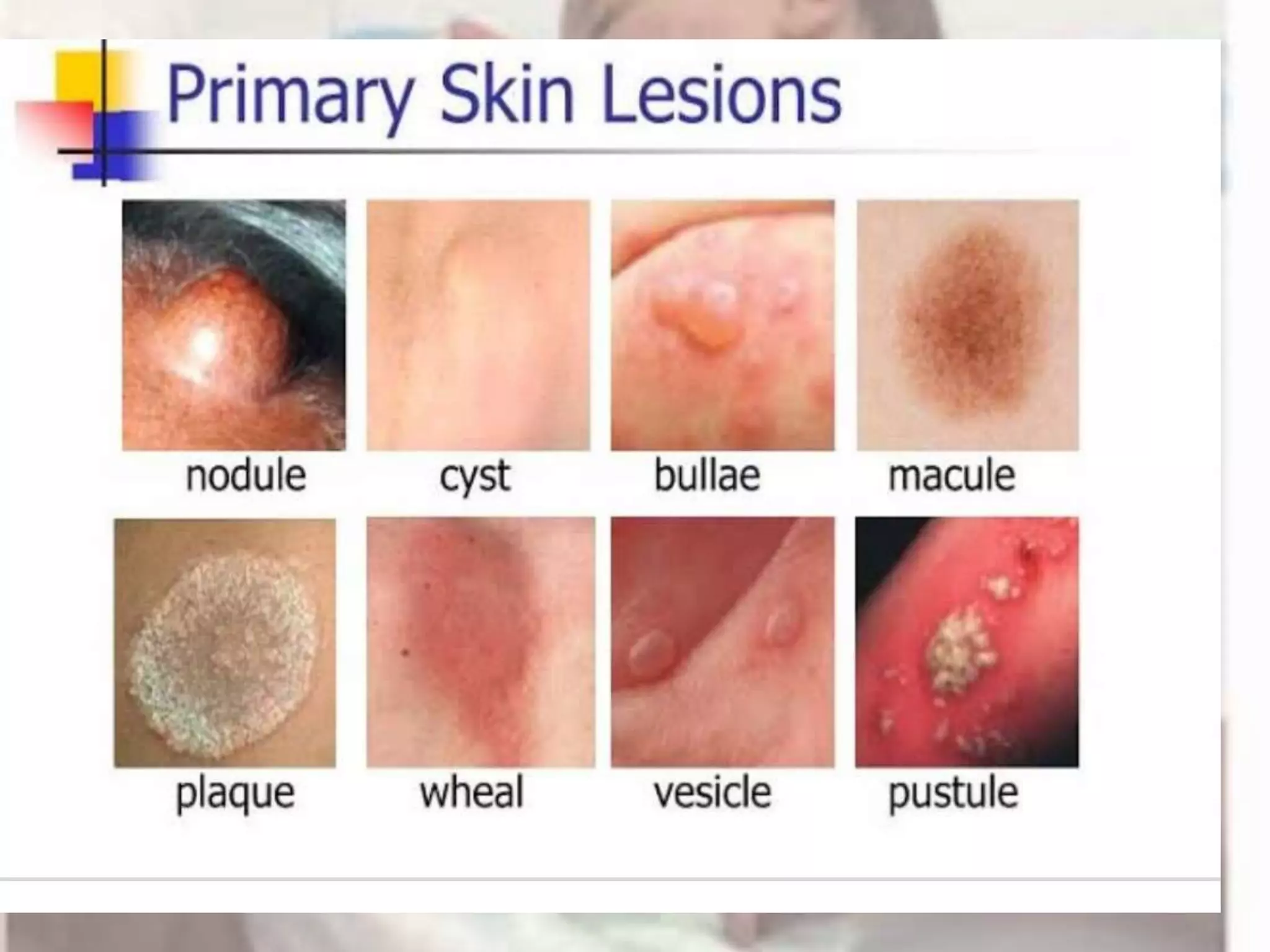
Skin Cancer Vs Benign Moles: How To Discriminate They are generally of combined shade, consisting of pink, red, tan, and brown. Benign sores of the skin are non-cancerous growths that create as a result of factors such as aging, genes, sun direct exposure, or small skin injury. Although they are not hazardous, they may transform in look or come to be uncomfortable gradually. They may be colored or flesh-toned, and they differ in size, form, and texture. Some skin sores, such as hives or reactions to pest bites, are short-lived. Typical warts and plantar warts (verrucas) are benign yet originated from the human papilloma virus (HPV). Other kinds have a genetic or developing origin.The advancement of lots of moles (nevi) along with lipomas (fatty lumps) reveals domestic patterns and begins during early life stages. A cancer malignancy is a form of skin cancer cells that establishes in the cells (melanocytes) that create the pigment that offers color to your skin, hair and eyes. The growths generally have melanin that makes them dark in color but sometimes, they can be devoid of any pigment. Though moles can develop into cancer cells, or melanoma, it is unusual. According to the National Library of Medicine, just 20-30% of melanomas arise from preexisting moles. Many precancerous skin lesions occur in locations that would certainly otherwise be thought about typical, healthy and balanced skin. However, having moles does boost a person's possibilities of establishing cancer cells. People who have greater than 50 usual moles are more probable to develop melanoma, as are people with more than 5 dysplastic nevi. A family history of skin cancer cells also enhances the chance of creating melanoma. Once more, it is necessary to conduct comprehensive skin exams consistently.
Leading Medical Professionals In,
Exactly how to tell if a skin lesion is benign?
- Balance in shape, colour and structure.Stable or slowly evolving.Absence of
- spontaneous bleeding(blood loss or ulcer might be because of recent injury).
- Most moles are harmless and hardly ever develop into malignant lesions.
- Skin cancer develops when skin cells begin to grow unusually, commonly as a result of damage from ultraviolet (UV) radiation from the sunlight or tanning beds.
- An angioma is due to the proliferation of the endothelial cells.
- Sunscreen had not been offered before after that, which indicates people in this age likely skilled harmful sunlight exposure at a really young age.
Border Abnormality
Cryotherapy device Those people with congenital moles have a boosted risk of establishing cancer malignancy. In time, a common Go to the website mole might stay the same, adjustment extremely gradually, or disappear and go away. Determining all the moles on your body and keeping track of their appearance is the most effective way to make sure that you understand their status and prospective problems. Special discolorations can be made use of to try and distinguish a mole from a skin sore. If the sore is deemed to be malignant, various treatment options can be reviewed. Skin lesions are a typical part of life, and obtaining timely, proper medical focus can reduce the risk of major health problems.What Should I Do About Atypical Moles?
Onset skin cancer cells refers to cancer that is still restricted to the leading layers of the skin and has actually not spread deeper right into cells or to various other components of the body. Listed below, we'll describe what beginning skin cancer resembles, why your skin might be altering, and what clinical actions to take following. There are several factors that can change your following actions; see the total support below. Any type of individual from any age group can provide with a benign skin sore. Skin cancer cells symptoms and signs can differ from one person to another. Trigger professional evaluation and therapy intervention by a qualified dermatologist is important to avoid malignant transformation. These lesions at first materialize as pink-colored, sandpaper-like spots roughly the dimension of small seeds, slowly coming to be progressively tender and potentially unpleasant as time advances. They typically create in body regions with substantial historic sunlight exposure, including the entire facial area, nasal surface areas, dorsal hand surface areas, external lower arm locations, and ear tops. The steady build-up of these pigmented locations throughout life can create considerable cosmetic issues for people who prefer even complexion and clarity. While these places generally pose no health and wellness dangers, you should seek analysis from your skin specialist of pigmented sores that change in size, form, pigmentation, or structure. Annual detailed skin assessments are typically suggested for all adult clients, with certain focus on individuals over 45 or those with elevated skin cancer threat factors.